Why the issue matters
The connection between cooking and the environment is often overlooked, yet it is one of the most important relationships in everyday life. In many places, households and institutions continue to depend on firewood and charcoal for daily food preparation. Over time, that demand places growing pressure on forests and surrounding ecosystems, especially where fuel collection and charcoal production are widespread.
As communities expand and energy needs continue to rise, the pressure on natural resources can become even more serious. What may begin as a practical short-term solution can, over time, contribute to wider environmental strain. This is why cleaner and more efficient cooking systems are becoming increasingly important. They create an opportunity to reduce waste, improve heat use and support better patterns of energy consumption.
Cleaner cooking helps shift the focus from high-consumption fuel dependence to smarter, more efficient heat use.
How cleaner cooking supports change
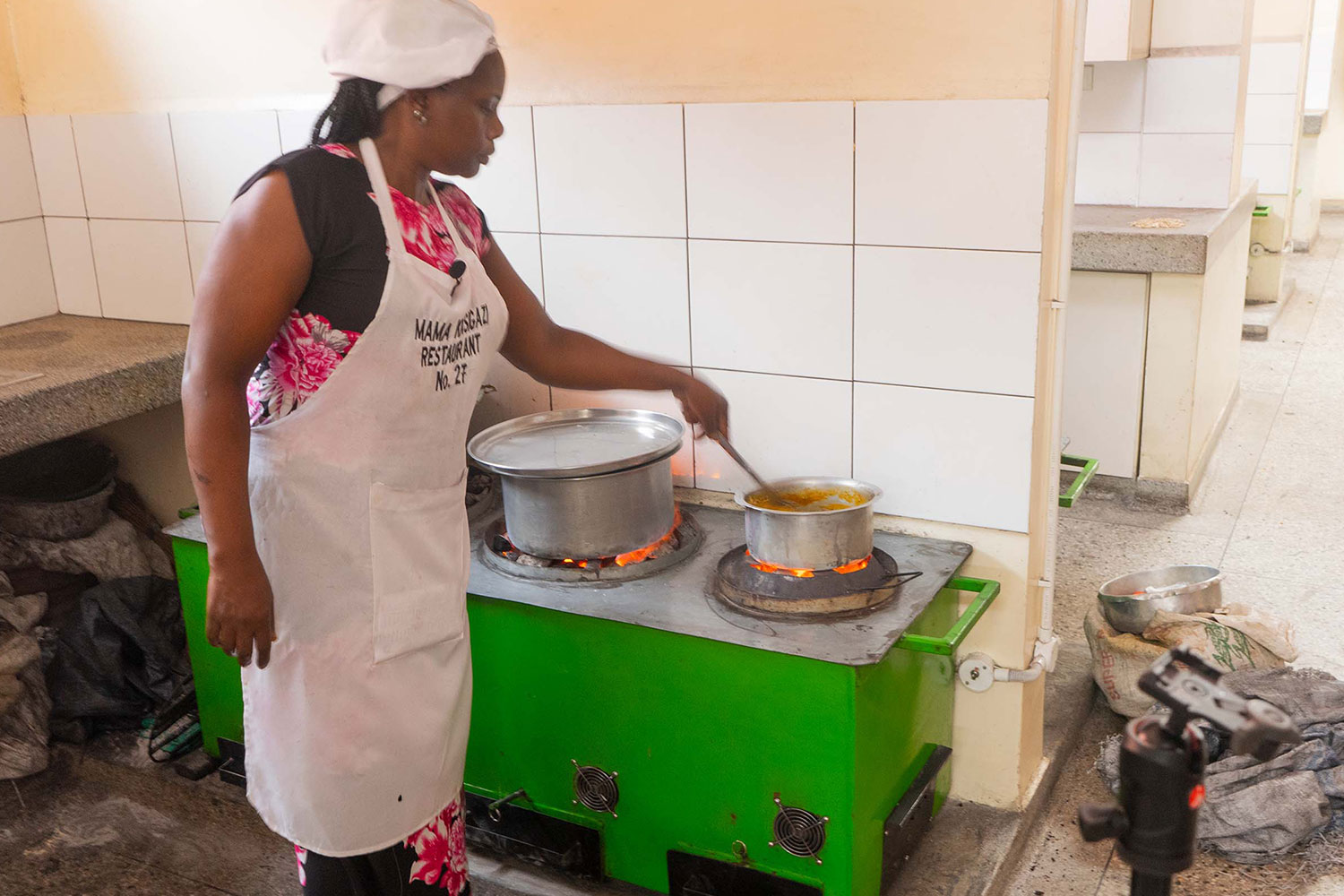
Efficient cooking systems are valuable because they make better use of available energy. When heat is preserved more effectively and cooking performance improves, less fuel is needed to achieve the same outcome. That means cleaner cooking can support a gradual reduction in dependence on conventional biomass sources without compromising everyday cooking needs.
This matters not only for households, but also for institutions, schools, businesses and community cooking environments. In larger cooking settings, the effect of efficiency becomes even more important because the scale of demand is higher. A more efficient solution can translate into meaningful long-term savings, lower resource pressure and more practical sustainability outcomes.
Looking ahead
Protecting forests is not only about conservation policy. It is also about practical daily choices that affect how energy is used across homes and institutions. Cleaner cooking belongs in that conversation because it offers a path that supports both people and the environment. It shows that better cooking systems can also play a role in reducing pressure on natural ecosystems.
The future of clean cooking is therefore larger than the kitchen itself. It represents a wider movement toward smarter resource use, stronger environmental awareness and long-term resilience. By investing in cleaner cooking solutions today, communities can help create a future where healthier kitchens and healthier landscapes move forward together.